
Composer Spotlight: Jeanine Yeager
- Mar 22, 2023
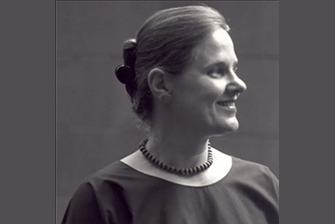
Jeanine Yeager is one of my favorite composers of piano teaching pieces. I first became acquainted with Jeanine’s music via her Fresh Impressions series, which I discovered when looking for “New Age” student repertoire. Jeanine was kind enough to take time away from composing and preparing her latest book for publication to discuss her music and thoughts about teaching music composition to adult piano students.

 It is April 2020 and we are living with the Coronavirus-19 pandemic. Schools across the United States have been closed for about a month and we are teaching from home in the middle of a new experience called distance learning. Some days my colleagues and I feel like we’re drinking from a fire hose.
  It is April 2020 and we are living with the Coronavirus-19 pandemic. Schools across the United States have been closed for about a month and we are teaching from home in the middle of a new experience called distance learning. Some days my colleagues and I feel like we’re drinking from a fire hose.
  Many of you are beginning to teach online piano lessons as we all come together in response to the Coronavirus Disease 2019 (COVID-19). If you are using Bastien New Traditions: All in One Piano Course, you already have everything you need.
 Many of you are faced with the need to create plans for online orchestra instruction as we all come together in response to the Coronavirus Disease 2019 (COVID-19). I want to remind you that if you are using String Basics Books 1, 2, or 3, you already have everything you need to facilitate distance learning!

 In my earlier years as a band director, I was pretty good at fixing problems as they occurred in my band. I could address wrong notes, rhythms, basic articulations, musical phrasing, and intonation issues. I gradually learned, however, that I was working too hard and my students generally did not know how to solve these problems on their own. I was putting out “fires” as they happened, rather than giving my students the necessary skills to address these “fires” as (and before) they occurred.